

Natural vs Synthetic Capsaicin For Formulators, Procurement Professionals, and Quality Assurance Teams
Introduction
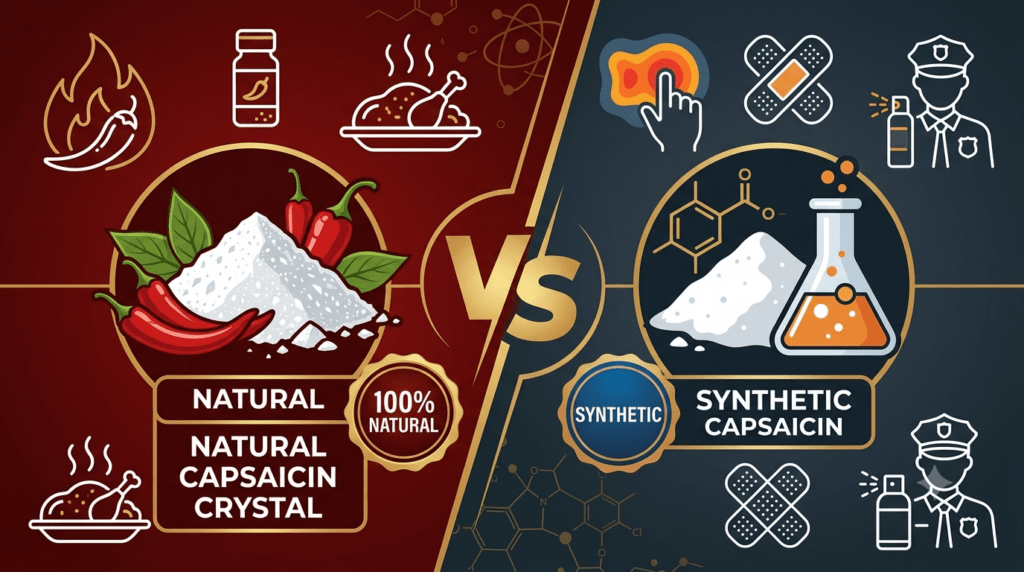
Natural vs Synthetic Capsaicin: Capsaicin—the bioactive compound responsible for the pungency of chili peppers—exists in two distinct forms: natural capsaicin derived from Capsicum species, and synthetic capsaicin (chemically known as nonivamide or phenylcapsaicin) produced through chemical synthesis . While both compounds share similar mechanisms of action through TRPV1 receptor activation, their differences in source, purity profile, application scope, and safety considerations are substantial .
For procurement professionals and formulators sourcing ingredients for food, pharmaceutical, nutraceutical, or industrial applications, understanding these distinctions is essential for regulatory compliance, product safety, and market positioning. Pls find Natural vs Synthetic Capsaicin chart here.
1. Product Nature & Chemical Identity
| Parameter | Natural Capsaicin Crystal | Synthetic Capsaicin (Nonivamide/PheCap) |
|---|---|---|
| CAS Number | 404-86-4 | 2444-46-4 (nonivamide) |
| Source | Extracted from edible Capsicum annuum L. peppers | Chemically synthesized from petroleum-derived precursors |
| Composition | Complex mixture of capsaicinoids—capsaicin (≈55-69%), dihydrocapsaicin (≈30%), nordihydrocapsaicin, homocapsaicin | Single compound with >98% purity |
| Typical Purity | 95–98% total capsaicinoids | >98% phenylcapsaicin |
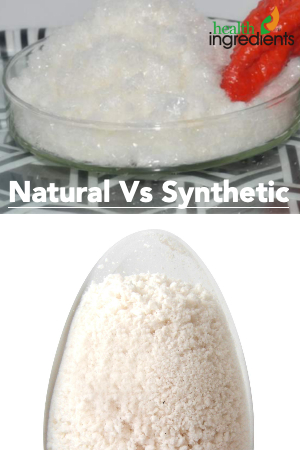
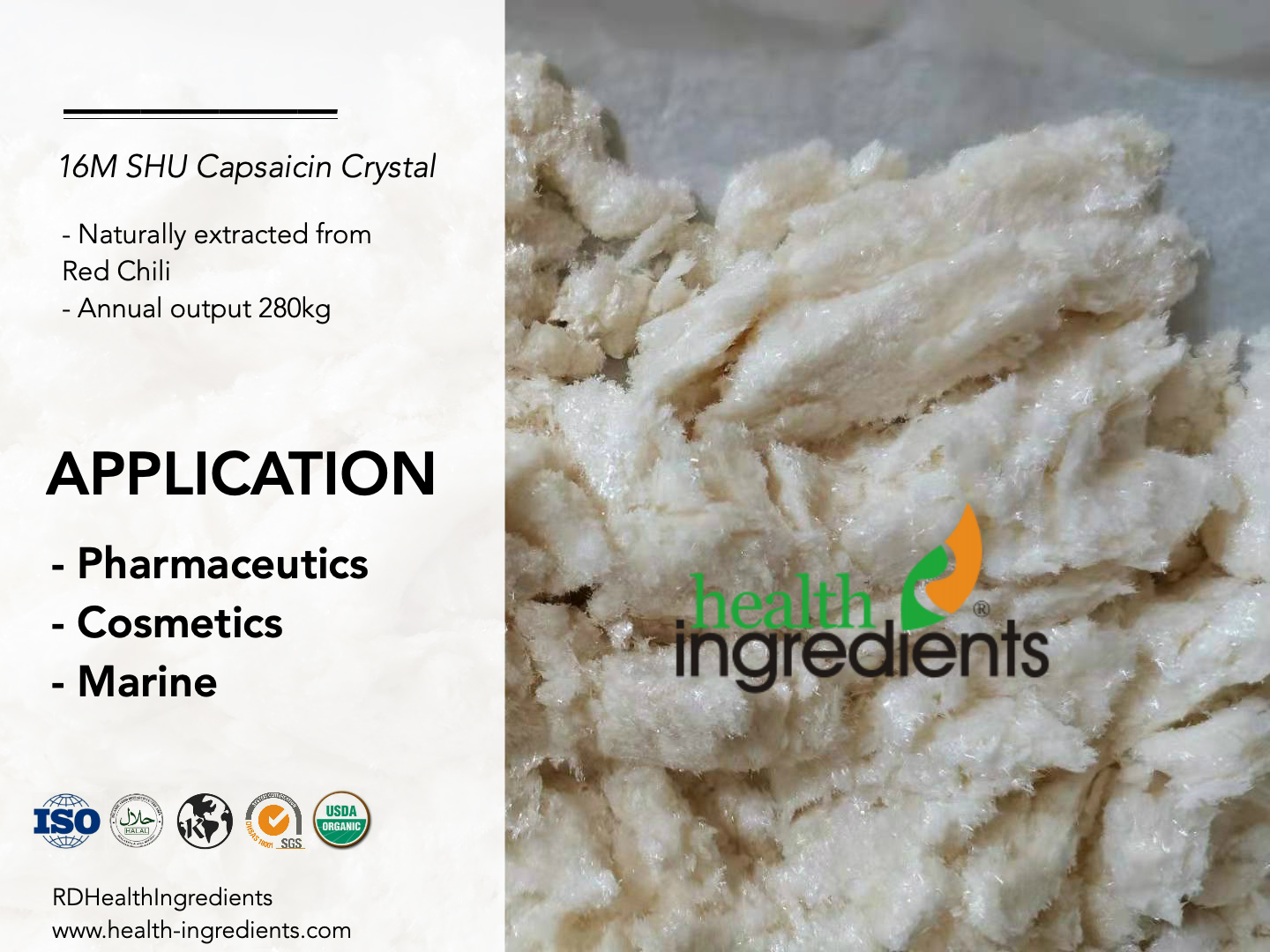
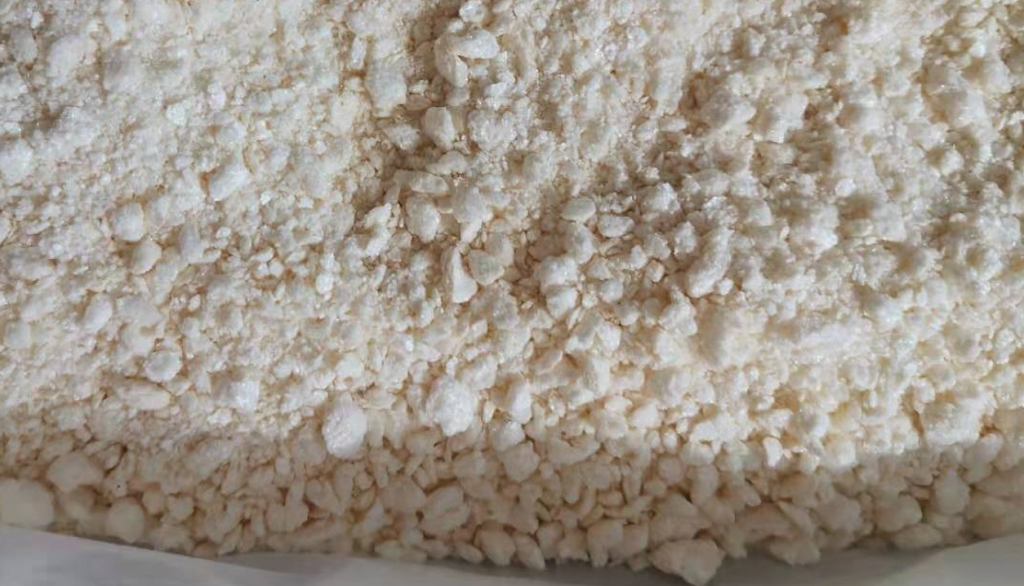
| Crystalline Form | White to off-white crystalline powder | White crystalline powder (synthesized) |
| Scoville Heat Units | Up to 16,000,000 SHU | Lower SHU (≈1,550,000) |
Natural capsaicin crystal is derived from the white pith and membrane of chili peppers through solvent extraction and purification . The natural extract contains a family of related capsaicinoid compounds that work synergistically, whereas synthetic capsaicin is a single, isolated molecule .
2. Natural vs Synthetic Capsaicin Manufacturing Process
Natural Capsaicin Crystal:
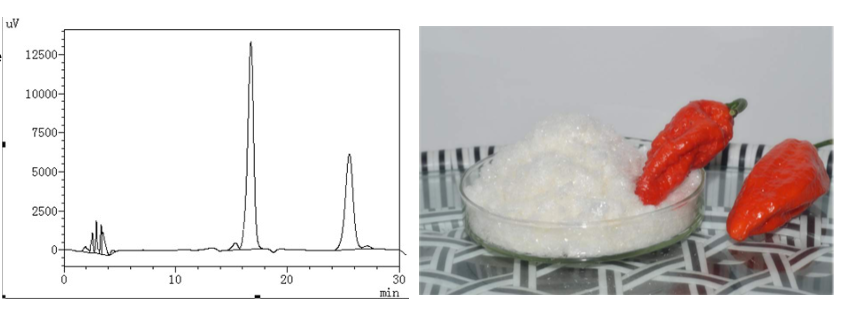
The production process involves solvent extraction from dried chili peppers, followed by purification through crystallization and HPLC verification. The raw material is cultivated in specialized growing regions with high capsaicinoid content (5–7% active ingredients) . The process preserves the full spectrum of naturally occurring capsaicinoids, including capsaicin, dihydrocapsaicin, and minor homologs .
Synthetic Capsaicin (Phenylcapsaicin):
Synthetic production is a two-step chemical synthesis under controlled conditions. The first step involves producing an acetylenic acid intermediate through the reaction of phenyl acetylene with a carboxylic acid derivative. The second step comprises several reactions with a vanillylamine derivative to produce the final product . The synthesis yields a single compound with >98% purity, requiring residual solvent control (ethyl acetate, dichloromethane, dimethylformamide) .
Key Differentiator: Natural capsaicin retains the complex phytochemical profile of the source plant, while synthetic capsaicin is a pure, single-molecule compound .
3.Natural vs Synthetic Capsaicin Applications & Use Cases
| Application Area | Natural Capsaicin | Synthetic Capsaicin (Nonivamide/PheCap) |
|---|---|---|
| Food & Beverage | ✅ Primary use — flavoring, spicy additives, nutritional supplements | ⚠️ Limited — Novel Food status requires authorization; max 2.5 mg/day in EU for food supplements |
| Pharmaceuticals | ✅ Internal use — analgesic injections, anti-cancer formulations, pain relief patches | ✅ External use only — topical creams, liniments, patches for neuralgia and arthralgia |
| Nutraceuticals | ✅ Preferred — dietary supplements, metabolism support, antioxidant formulations | ❌ Not typically used — regulatory restrictions apply |
| Cosmetics | ✅ Skincare, anti-aging formulations, body slimming products | ⚠️ Limited use — primarily industrial |
| Industrial | ❌ Not suitable for industrial use | ✅ Primary market — marine antifouling paints, pest repellents, cable protection, tear gas |
| Agriculture | ✅ Natural pesticide alternative | ✅ Synthetic pesticide additive for termite and rodent control |
Natural vs Synthetic Capsaicin Industry-Specific Highlights
Food Industry: Natural capsaicin is widely used as a flavoring agent and natural food additive due to its antimicrobial properties and alignment with consumer demand for clean-label ingredients . Synthetic capsaicin, by contrast, has no established history of food use in the EU and requires Novel Food authorization .
Pharmaceutical Industry: Natural capsaicin demonstrates potent analgesic effects by depleting substance P from sensory neurons . It is used in injections for anti-cancer therapy and combination treatments. Synthetic capsaicin is restricted to external use for conditions such as arthralgia and neuralgia .
Industrial Sector: Synthetic capsaicin dominates industrial applications, including:
- Anti-fouling marine paints (prevents algae and shell organism attachment)
- Green biological pesticide formulations
- Cable protection (anti-termite and anti-rodent)
- Police and military self-defense equipment
Cosmetics & Personal Care: Natural capsaicin is valued in skin care for its circulation-enhancing and slimming effects .
4. Safety Profile & Regulatory Considerations
| Safety Aspect | Natural Capsaicin | Synthetic Capsaicin (PheCap) |
|---|---|---|
| Oral Use | GRAS status — recognized as safe for food use (FDA) | Novel Food — requires authorization; EFSA safety assessment completed |
| Topical Use | Well-tolerated at appropriate concentrations | Acceptable; forms used in creams and liniments |
| Genotoxicity | Very low risk when high-purity natural product is used | Low genotoxic risk; micronucleus assays show no chromosomal damage |
| Cytotoxicity | Higher cell toxicity observed at elevated concentrations | Novel synthetic analog (NDHC) shows lower cytotoxicity and reduced pungency |
| Pungency Level | High — characteristic chili heat | Lower to moderate; synthetic analogs can be modified to reduce pungency |
| Regulatory Framework | FDA GRAS; recognized food ingredient | EU Novel Food with specified conditions (max 2.5 mg/day for food supplements) |
Critical Safety Distinction
“The inconsistency observed between previous studies on the toxicology and genotoxicity of capsaicin is caused by differences in source, purity and impurity profile of the capsaicin item tested — natural extracts may not exhibit the same toxicological profile as high-purity capsaicin and capsaicin analogues.”
This finding underscores the importance of sourcing high-purity natural capsaicin from reputable suppliers with documented production processes and impurity profiles .
Side Effect Considerations
Natural capsaicin at high oral doses can cause gastric irritation, stomach cramps, and burning sensations, limiting its therapeutic application . Synthetic analogs, including phenylcapsaicin, have been developed with reduced pungency while retaining bioactivity, though this comes with different purity and regulatory requirements .
5. Regulatory Status Summary
| Regulatory Framework | Natural Capsaicin | Synthetic Capsaicin |
|---|---|---|
| FDA Food Use | GRAS status | Not established |
| EU Food Use | Recognized food ingredient / flavoring | Novel Food (authorization required) |
| EU Feed Use | Feed additive — authorized under EU Regulation | Not typically used |
| Pharmaceutical Use | Recognized active ingredient | Used in topical preparations |
| Industrial Use | Not applicable | Widely approved for industrial applications |
Why Choose Natural Capsaicin Crystal from RDHealthIngredients?
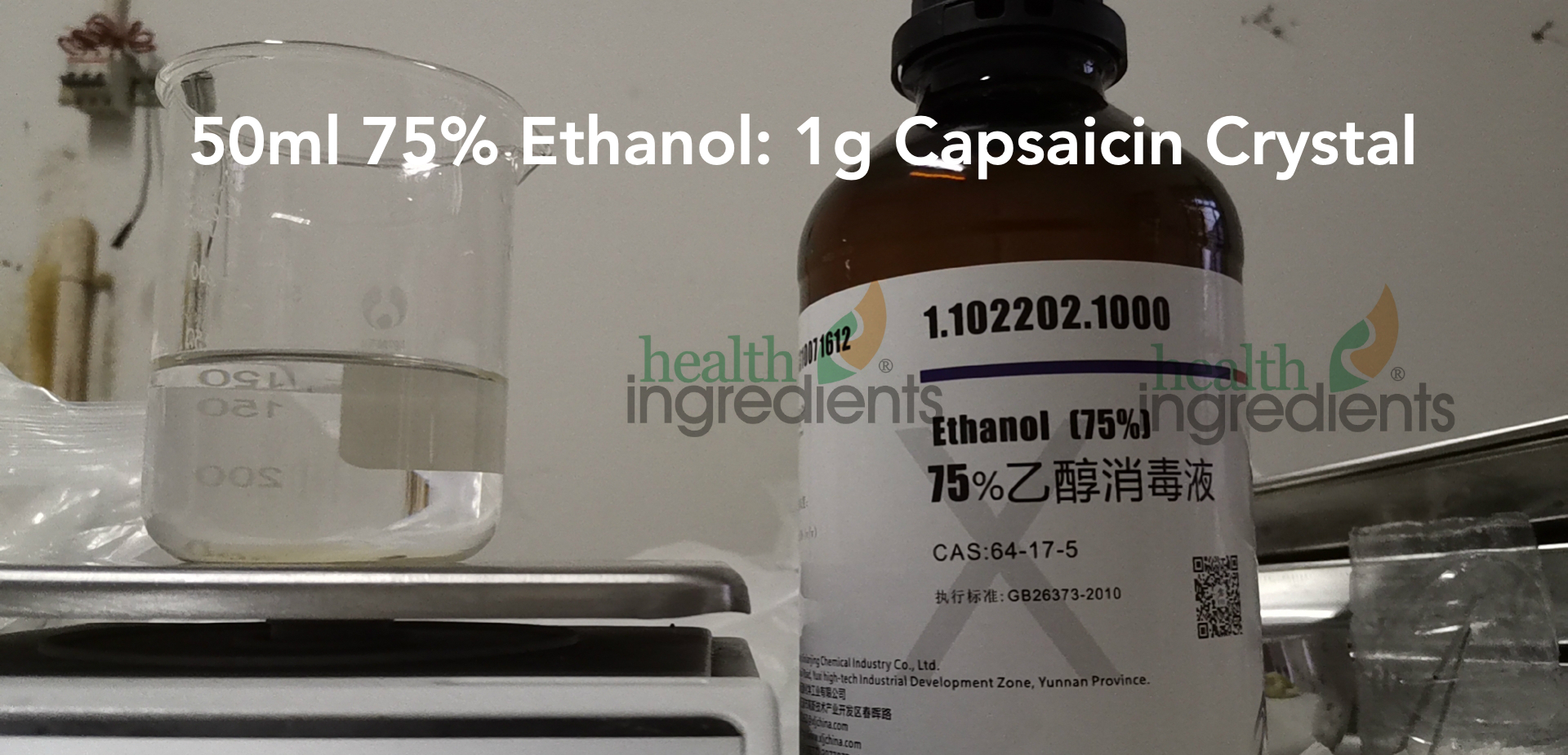
RD Health Ingredients LLC is a reliable Chinese manufacturer and supplier of high-purity natural capsaicin crystal with the following quality commitments:
| Feature | Our Standard |
|---|---|
| Source | 100% natural — derived from specially cultivated Chinese chili peppers |
| Purity | USP-standard capsaicin crystals |
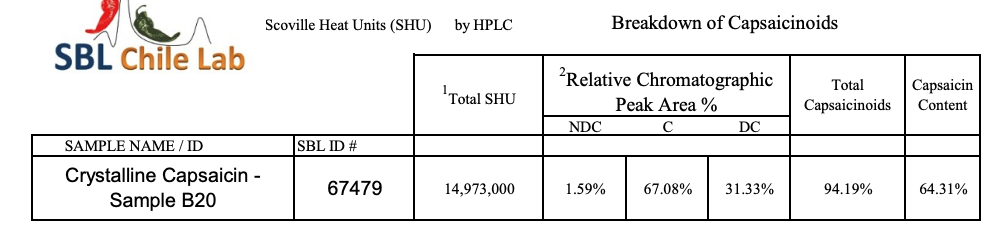
| Composition | 99% total capsaicinoids (55% capsaicin + dihydrocapsaicin) |
| SHU | 16,000,000 — natural, high-intensity heat |
| Safety | Only natural capsaicin is safe for food, supplement, and pharmaceutical use |
| Production | GMP-standard facilities with full serials of extraction, modulation, testing, and packing |
| Traceability | Complete documentation from cultivation to finished product |
| Application Support | Customized SHU design and packing options available |
Our Commitment to Quality
- Botanical Expertise: 10+ years of cultivation and research collaboration with Chinese Institute scientists
- Sustainable Sourcing: Over 13 million square meters of specialized cultivation in Yunnan Province
- Production Capacity: 100–120 tons per month (based on 10% capsicum oleoresin production)
- Third-Party Validation: Regular testing by accredited laboratories to guarantee accuracy
Conclusion
The choice between natural and synthetic capsaicin depends primarily on your intended application:
| If You Need… | Choose… | Reason |
|---|---|---|
| Food-grade ingredient for supplements, nutrition, or beverages | Natural Capsaicin Crystal | GRAS status, recognized food use, complex bioactive profile |
| Topical analgesic or pain relief formulation | Either — natural for formulations where purity profile is critical; synthetic for cost considerations | |
| Industrial application (coatings, pesticides, marine antifouling) | Synthetic Capsaicin | Established industrial use, lower cost structure |
| Clean-label, natural product positioning | Natural Capsaicin Crystal | Consumer preference for natural sources |
| FDA/EU compliance for food use | Natural Capsaicin Crystal | GRAS status vs. Novel Food requirements for synthetic |
RDHealthIngredients LLC specializes in high-purity natural capsaicin crystal derived from 100% natural sources, with full traceability and regulatory documentation to support your food, supplement, or pharmaceutical applications.
References
- Cordell GA, et al. Capsaicin: identification, nomenclature, and pharmacotherapy. Ann Pharmacother. 1993.
- Capsaicin: an in-depth review of its chemical properties, health benefits, and challenges in food applications. Food Production, Processing and Nutrition. 2025;7:47.
- Safety of phenylcapsaicin as a novel food pursuant to Regulation (EU) 2015/2283. EFSA Journal. 2019;17(6):5718.
- Novel Food approval for aXiChem accelerates phenylcapsaicin production deal. NutraIngredients. December 2019.
- Comparative effectiveness of nitro dihydrocapsaicin and capsaicin. ScienceDirect. 2024.
- Genotoxicity study of synthetic capsaicin analogue PheCap. SAGE Journals. 2018.
- Borges LG, et al. Natural and Synthetic Capsaicin Analogues: A Comprehensive Review. Curr Med Chem. 2024.
- Anticancer Activity of Natural and Synthetic Capsaicin Analogs. ScienceDirect. 2025.
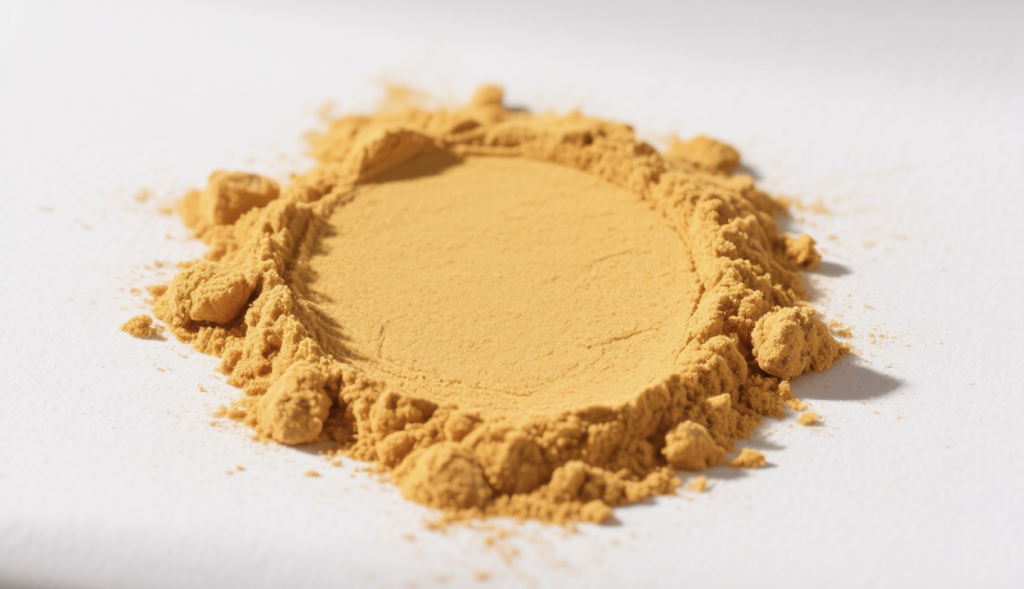
Capsaicin Powder
Low Capsaicin
- Water Soluble
- Light yellow fine powder
- Colorless
- 0.1%, 1%, 2%, 3%, 5%, 10%
- 1,500~1,500,000 SHU
Capsicum Oleoresin
Full serials SHU
- Oil Soluble
- Water Soluble
- Colorless, Decolored
- 1%, 3.3%, 6.6%
- 40% 6.4M SHU
- 60% 9MSHU
- Capsicum Extract
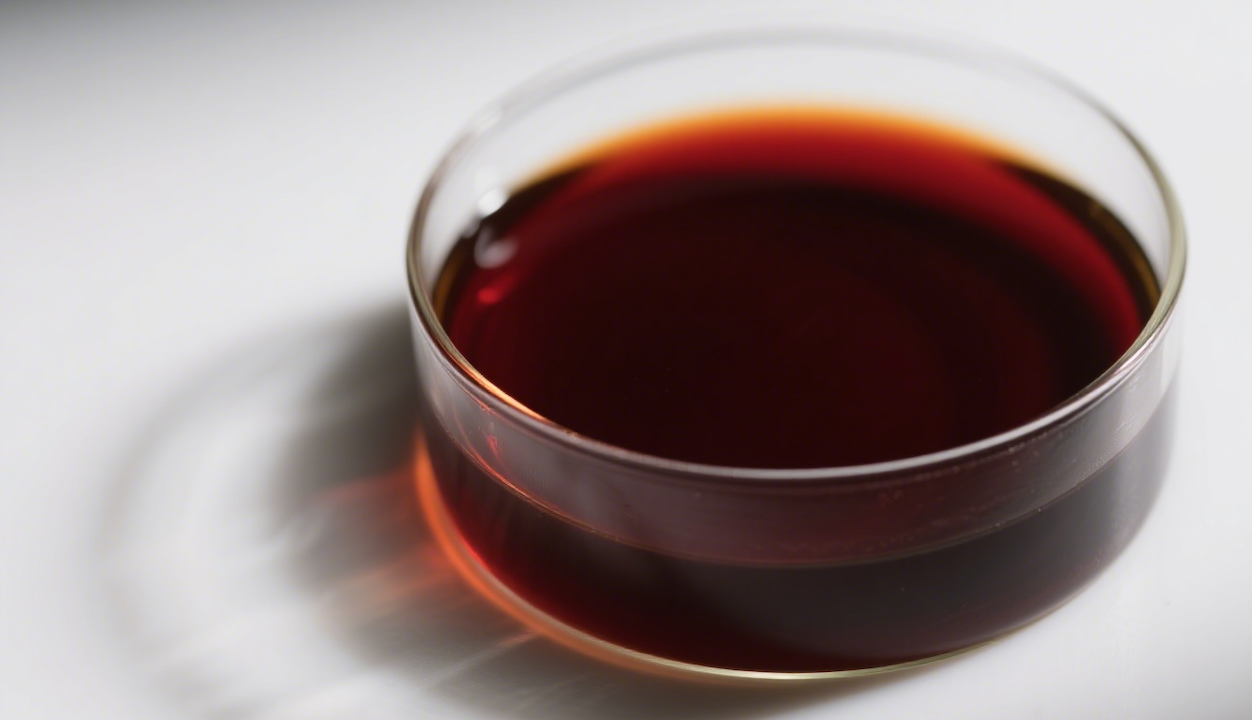
Capsaicin Crystals
100% Natural Source, USP
- USP Standard
- 99% Capsaicinoids
- 55% Capsaicin
- dihydrocapsaicin
- 16M SHU
- Small Packing Available
- ONLY Natural Capsaicin is safe to be use.
Are you looking for certified origin, traceability or safety? We propose a full range of titrated herbal extract in accordance with GB, USP, EP, Pls find the list here. If not listed, please get contact with us at sales06@health-ingredients.com. Or you can search them by A-Z Product List.