

Whole-algae extract | Full-spectrum bioactives | Science-backed anti-fatigue ingredient
Haematococcus pluvialis extract mitochondrial fatigue Introduction: Beyond Isolated Astaxanthin
Haematococcus pluvialis is a freshwater microalga widely recognised as nature’s richest source of astaxanthin—a carotenoid with potent antioxidant properties . While isolated astaxanthin has been extensively studied, emerging research suggests that the whole H. pluvialis extract may offer superior anti-fatigue effects through synergistic activity of its full bioactive profile .
Unlike purified astaxanthin, whole H. pluvialis extract contains a complex matrix of carotenoids (lutein, β-carotene, zeaxanthin, canthaxanthin), alongside fatty acids, proteins, amino acids, carbohydrates, and polysaccharides . This natural synergy may provide broader and more potent antioxidant and anti-fatigue benefits than astaxanthin alone .
The Science: Mitochondrial Function and Fatigue Reduction
Haematococcus pluvialis extract mitochondrial fatigue Exercise-induced fatigue is characterised by physical exhaustion caused by prolonged physical activity. A key underlying mechanism is oxidative stress—excessive reactive oxygen species (ROS) accumulation damages muscle cells and mitochondria, impairing energy production .
How H. pluvialis Extract Works
Recent research published in Frontiers in Nutrition (2026) has elucidated the molecular mechanisms behind the anti-fatigue effects of a standardized Haematococcus pluvialis extract mitochondrial fatigue (YHC-T-2414) :
AMP-activated protein kinase (AMPK) functions as a cellular energy sensor. Under exercise-induced stress, activated AMPK coordinates both antioxidant defense and mitochondrial biogenesis—making these pathways critical targets for fatigue alleviation .
Key Research Findings
In Vitro (C2C12 Muscle Cells):
- YHC-T-2414 protected muscle cells from H₂O₂-induced oxidative damage
- Reduced markers of muscle damage (LDH and CK)
- Activated both AMPK pathways associated with antioxidant defense and mitochondrial health
Haematococcus pluvialis extract mitochondrial fatigue In Vivo (Mouse Model):
After 21 days of supplementation:
The study concluded that “YHC-T-2414 may alleviate fatigue by enhancing antioxidant responses and supporting mitochondrial biogenesis-related signaling pathways” .
Beyond Research: Real-World Applications
Endurance and Performance
A systematic review of astaxanthin’s effects on muscle health concluded that supplementation holds promise as an adjunctive therapy for promoting muscle function and reducing inflammation . In trained populations, astaxanthin has demonstrated improvements in cycling time trial performance, recovery from delayed-onset muscle soreness, and enhanced endogenous antioxidant capacity. Haematococcus pluvialis extract mitochondrial fatigue.
Whole Extract vs. Isolated Astaxanthin: A Commercial Advantage
Most commercial products rely on purified astaxanthin. However, the whole H. pluvialis extract offers a unique market positioning opportunity:
Haematococcus pluvialis extract mitochondrial fatigue Market Trends
The H. pluvialis market continues to expand, driven by growing demand for natural astaxanthin in nutraceuticals and increasing awareness of algae-based products in the pharmaceutical and personal care sectors . APAC is expected to witness the highest growth, but European brands can leverage the whole extract differentiation to stand out in a competitive category.
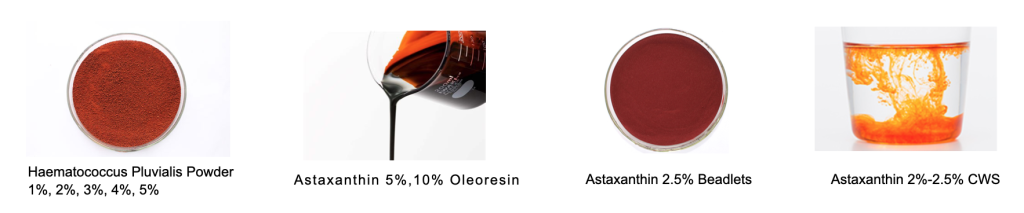
Product Applications
References
- Haematococcus pluvialis extract YHC-T-2414 mitigates exercise-induced fatigue by promoting antioxidant defense and mitochondrial biogenesis. Frontiers in Nutrition. 2026.
- Astaxanthin supplementation as a potential strategy for enhancing mitochondrial adaptations in the endurance athlete: An invited review. Nutrients. 2024;16(11).
- Anti-inflammatory and antioxidant action of astaxanthin and its applications in the treatment of muscle health: A systematic review. Journal of Indian Academy of Oral Medicine and Radiology. 2025;37(3):284-290.
- Nutraceutical potential of astaxanthin in muscle metabolism, exercise adaptation, and obesity. Nutrients. 2026;18(1):80.
- Astaxanthin-rich microalga extract shows promise for fatigue through mitochondrial function. NutraIngredients.com. August 2026.